


Spot “Too Good to Be True” Fraud Scams
Scammers are constantly coming up with new ways to trick people into sharing personal information or sending money. Their scams have become more sophisticated but at their heart, they all do the same thing: prey on your fears and try to get you to make emotion-driven decisions.
Fraudsters often lure victims with promises of easy money, big prizes, romance, and other exciting opportunities. They make sure you feel that what they’re offering is scarce, so you’ll act quickly without thinking the situation through and give them your funds or information in a way that makes it hard for you to recover them.
At Andrews Federal Credit Union, we are focused on protecting our members. However, the first line of defense from scammers is you. We continually encourage members to “stop and think about it,” to take a quick moment to assess the situation before allowing fear or excitement to take over and guide your decision making.
When you educate yourself and understand how scammers might be working behind the scenes, you’ll be more ready to manage these situations in real-time and avoid the scammer’s attempts to access your funds and information.
These are some of the most common “too good to be true” scams we hear about on a regular basis.
Easy Money Online Job Offers
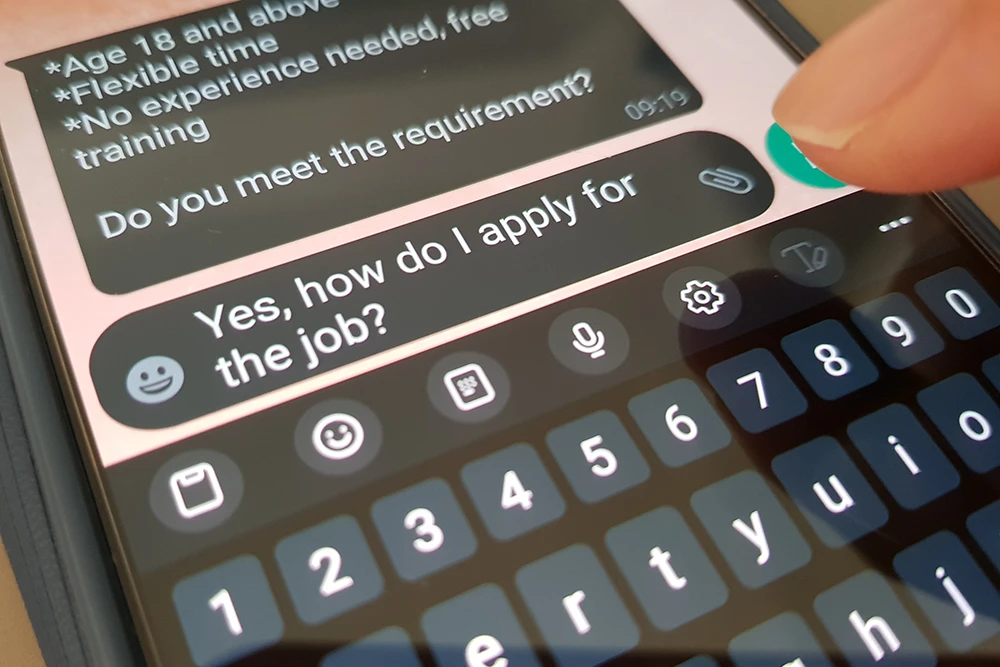
Remote work opportunities are popular and high in demand. Fraudsters take advantage of the potential upside of remote work by using it to lure in unsuspecting job seekers. They may attract people by either creating fake job listings or sending unsolicited messages promising high pay for minimal work and no experience.
Warning Signs
A job offer arrives without an application or interview
The employer asks you to pay upfront fees for equipment, training, or background checks
You’re asked to deposit a check, then return funds or send some of the money elsewhere
The job promises large payments for simple tasks
Check overpayment scams are very common in employment scams. The employer offers you an amazing job opportunity, then sends you a check to purchase equipment to do the job. They direct you to use the check to pay a specific vendor, or send you a message saying they sent you too much money and need you to send some back. After you complete their requests and have sent them money from your account, your bank will likely discover the original check was fraudulent, pulling back any deposits made to your account and also leaving you responsible for the money you sent back to the employer and/or their fake vendor.
Bottom line: If you’re unsure about a financial transaction related to a job offer, contact Andrews Federal before taking action.
Prize and Sweepstakes Scams
It’s everyone’s dream to win the lottery or somehow score a big prize.
That’s why sweepstakes scams lure in so many people. In these scams, you receive an email, text, or phone call saying you’ve won a large prize, something like cash, a new car or a luxurious tropical vacation. There’s only one catch - you need to pay a fee upfront (shipping, taxes, etc.) for your prize to be released to you.
Warning Signs
You’re told you won a contest that you don’t recall entering
The sender asks for payment to claim your prize
The sender warns you that the offer will expire unless you act quickly
As tempting as the all-expenses paid trip to Bermuda may sound, it’s a scam. Do not click on links in emails that say you’ve won a prize, and do not share your personal information or account information with the alleged contest organizer.
Bottom line: Legitimate contests don’t ask you to pay for participation or to claim your winnings. And, the chance of winning a contest you don’t remember entering is next to zero. If you receive one of these requests, ignore it.
Big Return Investment Opportunities
Investment scams often offer over-the-top returns and fast profits. They make the recipients feel smart - that they were just able to spot an opportunity that others didn’t. However, that’s exactly how the scammers want you to feel - that way, you keep the “opportunity” to yourself instead of sharing it with others who might alert you to its scam potential.
These fraudsters may encourage you to consider cryptocurrency investments, “exclusive” stock tips, or other insider opportunities that are not well publicized or easy to research. The scammers will work to build a relationship with you, sometimes through a social media site or even a dating site, then let you in on the too-good-to-pass-up opportunity.
Warning Signs
Promises of guaranteed profits
Pressure to invest quickly
Requests to send funds through wire transfers, cryptocurrency, or payment apps
Offers that require secrecy or discourage outside advice
Instead of throwing your money into get rich quick schemes, take your time, research your investments, and work with investment professionals, not people you’ve met on the internet. Consider who benefits from your decision making and if you wonder whether an offer is legitimate, contact the credit union before making any money moves.
Online Shopping Deals
Deep discounts on popular items can be tempting, especially during holiday seasons or major sales events. Scammers create fake online stores or social media ads offering products at prices that seem unbelievable.
After you pay, one of three things usually happens:
The item never arrives
You receive a low-quality counterfeit product
Your payment information is stolen
Warning Signs
Prices significantly lower than other retailers
Websites with limited contact information
Requests for payment via gift cards, wire transfers, or cryptocurrency
Newly created websites with few or no reviews
How to Protect Yourself
Shop with trusted retailers
Use secure payment methods rather than direct transfers
Check reviews and verify website legitimacy before purchasing
Romance Scams that Prey on Emotion
Many people are lonely and looking for love, which makes dating sites and social media platforms a good place for scammers to search for the lonely and prey on their emotions.
A scammer will express interest and pretend to get to know you, build a relationship and increase the intensity over weeks or months. Once they’ve convinced their victim it’s a love connection, they’ll claim to face an emergency and that they need urgent financial help to cover a medical bill or a travel emergency.
Warning Signs
The person quickly expresses strong feelings and “love bombs” you
Although they’ve connected with you, they claim to live far away and to be unable to visit
They request money through a difficult to track/recover method, such as a gift card, wire transfer, person-to-person payment or cryptocurrency
AI can make romance scammers even more believable, so it’s easy to fall for their tricks. Use extreme caution when connecting with people online, and do not send money to anyone that you have not met in person. Even if you believe they are trustworthy, have conversations with friends and family and make sure your online love interest knows you are sharing with people in your life. If they’re not legitimate, they may push harder for you to keep them a secret or may step away altogether if they’re afraid someone may be on to their schemes.
How Andrews Federal Helps Protect Members
As your financial institution, we want to help you protect yourself. We offer online tools and resources to give you an added layer of protection when trying to defend yourself from fraud, including:
Account Monitoring and Alerts
You can set up account alerts through Digital Banking and receive notifications if someone tries to access your account or tries to change a password. This can be helpful if you are concerned that you’ve shared too much information with someone online or accidentally typed your information into a compromised site.
While these alerts can help, they can’t stop you from being affected by choices that you make. For example, if you send money through a person-to-person service, share online codes, or allow someone access to your account, it can be difficult to recover.
Secure Digital Banking
With 24/7 online and mobile banking access, you can keep tabs on your accounts at all times and can be on top of things if you notice suspicious transactions.
Fraud Detection and Support
Our fraud monitoring systems work continuously to identify unusual account behavior. If something appears suspicious, our team may reach out to verify the activity.
ID Watchdog
Sometimes fraudsters may gather information, then wait to use it. They may also sell information to others. ID Watchdog can help through regular monitoring of credit alerts and more, reducing the risk that you’re caught off guard following a scam situation.
Scammers are experts at making their offers sound convincing and driving people to make questionable decisions. They prey on emotions, both fear and excitement, to gain what they want. If something sounds too good to be true, that’s probably because it is. When you’re evaluating only offers and relationships, these three steps can help:
Stop and think about it. Does it seem likely that someone three decades younger than you is proactively contacting you online and asking for a relationship? Does it seem realistic that the CEO of a major institution is emailing you individually with an amazing investment opportunity?
Verify. If a situation is legitimate, you should be able to research independently and find information to verify what you’re being told. If you can’t, it’s a red flag to stop conversations.
Don’t keep it quiet. Talk to people in your life, as well as to representatives from the credit union if you’re not sure about the validity of an online offer or relationship. Credit union representatives have seen hundreds of scam offers and can help you mitigate losses when you report quickly.
Maybe people are embarrassed and hold back on reporting scam issues because they’re ashamed they fell for a trick. But, fraudsters are smart and always working to come up with new ways to get access to money and information. If you think they’ve gotten you involved in a scam, don’t be afraid to come forward. You can potentially reduce the harm they cause, and you might also be able to stop them from hurting others.