

How to Protect Yourself When Using Peer-to-Peer Payment Services
Peer-to-peer (P2P) payment services have made it easier than ever to send money to friends, split bills, and manage everyday expenses. Most people have used a digital wallet or made a P2P transaction in the past through platforms like Zelle, PayPal or Venmo, because of the convenience of the transactions.
As with every convenience, though, risk is also involved. Scammers continue to target P2P platforms because the same technologies that make them easy to use also make it easy to take advantage of users. The fast, convenient money transfers also create situations where money can be quickly transferred or sent, then impossible to recall if the transaction turns out to be a scam.
At Andrews Federal Credit Union, we’re committed to helping you stay one step ahead, so you can keep yourself safe from fraudsters while having access to the most convenience. Here’s what to know, and how to protect yourself from potential P2P scams.
Why Do Scammers Target P2P Payments?
Unlike credit card purchases, P2P payments are typically treated like cash. Once the money is sent, it is transferred instantaneously, which can make it very difficult to recover if it’s sent in error or if a scammer tricks you into sending payments that you didn’t intend to send.
Scammers take advantage of the immediacy of the transaction to get you to send funds without thinking clearly. They may impersonate someone you trust and create a false emergency, or imply that something is urgent and pressure you into making a payment.
Common P2P Scams to Watch For
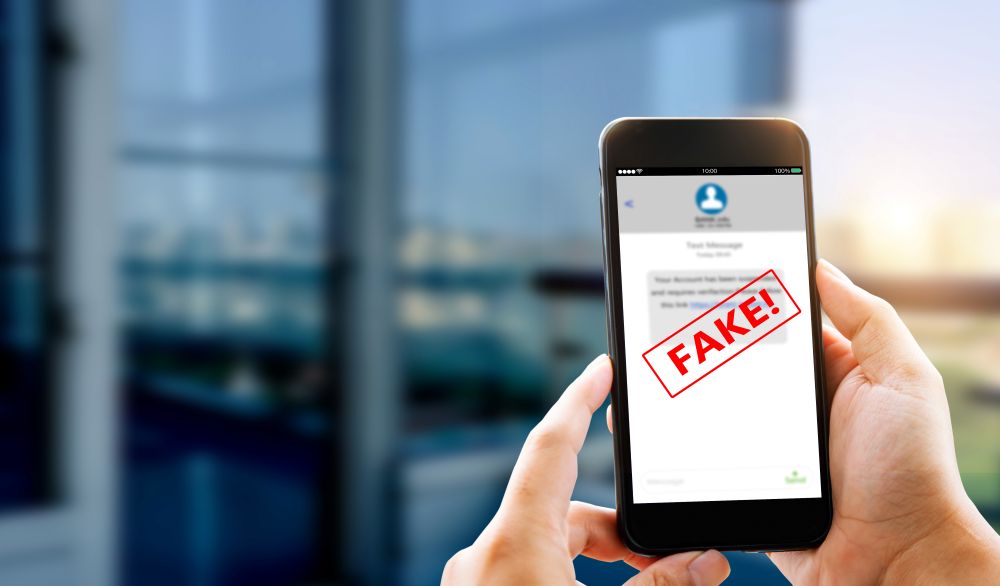
“Accidental” payment requests
You receive a message claiming someone sent money by mistake and asking you to send it back. In reality, the original payment may be fraudulent.
Impersonation scams
A scammer pretends to be a friend, family member, or even your financial institution, asking you to send money urgently. Some scammers may even try to pose as a CEO or business leader and direct you to send money, hoping you’ll be scared into complying.
Marketplace scams
A scammer may post impressive photos of a great deal, ask you to pay or make a deposit, then never send the item.
Account takeover attempts
Fraudsters may attempt social engineering scams to gain access to your online banking or P2P app and send money from your account (to themselves or their co-conspirators).
Smart Habits to Keep Your Money Safer
We want to ensure you are able to use technology to make your life easier and better. That includes digital payment methods. These tips can help keep you safer.
1. Only Send Money to People You Know and Trust
P2P payments are best used for friends, family, or people you personally know. Think twice about making payments to people you don’t know. If a transaction feels uncertain or suspicious, pause and verify. Consider making the payment in a different way or finding another resource.
2. Double-Check Before You Send
Before hitting “send,” confirm:
The recipient’s name, email, or phone number
That you’ve selected the correct contact
The payment amount
A quick review can prevent a costly mistake. While some people may be helpful in returning a transaction if you send it to the wrong person, others may be suspicious of you and think YOU are trying to scam them. If you make a mistake, even an honest one, it may be hard to get your money back.
3. Be Wary of Urgent Requests
Scammers rely on pressure. They want to make sure you’re emotionally off-center so that you’ll make rash decisions that you might not otherwise make.
They might tell you, “I need this right now,” imply that a family member is in danger, or that something costly might happen if you don’t do what they say. For example, a member shared that she received a call that was allegedly from the local police. She was told that because she missed jury duty, she needed to pay a $15,000 fine or she would go to jail.
This member was a well-educated woman but said that the scammers were extremely convincing and intimidating. She fortunately took the time to verify the situation, contacting her local police department, but the scammers pushed hard to try to get her to make a payment while they had her on the phone. If they had been successful, her money would have been gone.
4. Protect Your Login Credentials
Never share your online banking or payment login information. Safeguard your credentials and use hard-to-guess passwords. Add multi-factor authentication to your logins wherever possible, so you have an extra layer of protection from scammers.
5. Monitor Your Accounts Regularly
While our team monitors transactions and keeps an eye out for fraud, you are the first and best line of defense on your accounts. Set up alerts to let you know when transactions are processed; check your transaction history frequently; and report suspicious activity as soon as you see it on your account. .
Using P2P Safely with Andrews Federal
Within Andrews Federal digital banking, members have access to:
Internal transfers between their own accounts
Zelle within Digital Banking so members can send and receive P2P payments without needing to share account details
These tools are designed for convenience, and they should be used with care.
What to Do If Something Feels Off
If you suspect fraud, do not send the payment.
Instead, end the conversation or interaction with the suspected fraudster as quickly as possible. Oftentimes, just stopping the conversation will stop their efforts and they’ll move on to greener pastures.
If you are concerned you have shared information or sent funds to a fraudster, don’t keep it to yourself. Many people are embarrassed to report that they havel been tricked by a fraudster, but keeping it to yourself only benefits the fraudster.
The more time and silence they have, the better chance they have of getting away with their scams. Instead, contact Andrews Federal immediately. While our team may not be able to remove the impact of the fraudulent scams, they can help you with ways to mitigate future harm and protect yourself.