

Cash Apps: The Conveniences and the Risks
Services like Zelle, Venmo, Cash App, and PayPal have changed the way we move money. Splitting a dinner bill, paying a babysitter, or sending rent to a roommate can now happen in seconds, and can make life and managing money easier.
At the same time, the very features that make cash apps convenient can also make cash app users targets for fraud.
What Makes Cash Apps Convenient
Cash apps move money quickly between people, and they’re designed to work best for people who already know or trust each other. Cash apps are convenient and work well when:
- You know exactly who you’re paying
- The payment amount is expected
- There’s no need for buyer or seller protection
Where Fraud Can Happen
Cash app payments are convenient because they move money instantly and their transactions are treated like cash. They’re easy to send but hard to reverse.
These benefits make using cash apps convenient, but they also make it easier for scammers to create a sense of false urgency and encourage users to send them money on short notice. Once the funds are sent, they are not easy to retract and the money is often gone. Even if you contact your financial institution, they may be limited in their ability to help you because the cash app platforms treat the money as cash.
Fraudulent Cash App Scams to Watch Out For
Scammers can use different techniques to request money, and they can often be very persuasive. They encourage users to complete transactions with as much haste as possible so they don’t have time to consider whether a scam seems logical or not. Some of the common schemes we have seen include:
Impersonation Messages
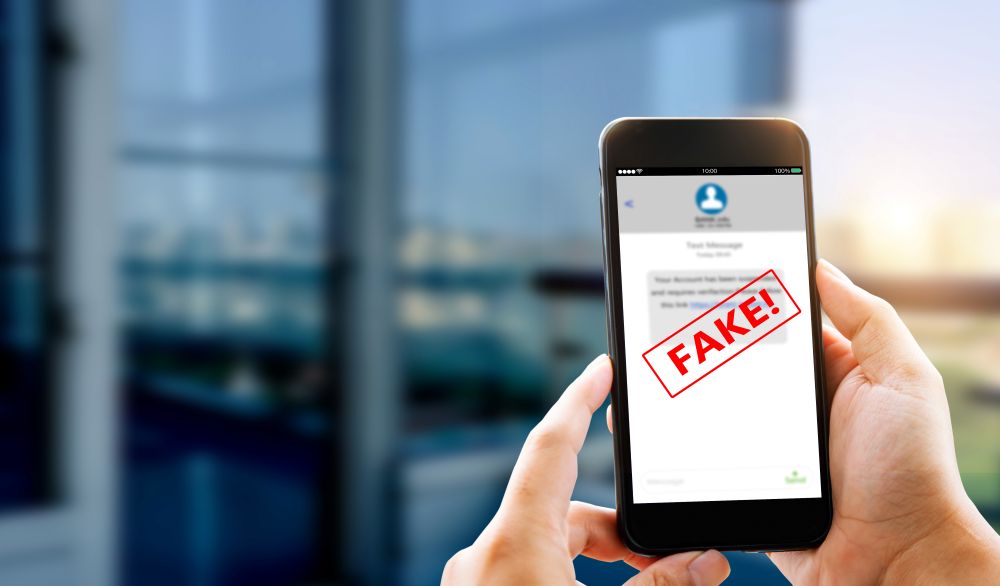
Fraudsters pose as a financial institution, a payment app, the IRS, your employer or even people you know. They may claim there’s an urgent issue that requires sending money right away or that you’ll risk getting in trouble, losing work or even experiencing some sort of danger to a family member.
What to remember: Legitimate companies won’t ask you to send money to fix a problem. Family members won’t contact you out of the blue and demand funds. If you are not sure about whether to trust someone who contacts you, find a way to verify it before sending funds. Remember, Andrews Federal will NEVER proactively ask for your PIN, secure access code, or password, or ask you to send money via cash apps like Venmo.
Marketplace and Online Sale Scams
Sellers may ask for payment via a cash app for tickets, rentals, electronics, or services. Once you make the payment, they stop communicating with you or may disappear altogether.
What to remember: Cash apps typically don’t offer purchase protection for types of person-to-person transactions, so if a scammer can entice you to pay for an item, then you typically have no recourse if the item doesn’t arrive.
“Accidental Payment” Requests
Someone claims they sent you money by mistake and asks you to return it. The original payment may later be reversed, but the return payment isn’t.
What to remember: Always contact the app directly instead of sending money back.
Romance or Trust-Based Scams
A relationship leads to a request for financial help or a “sure thing” investment. In these scams, the fraudster may emotionally manipulate you or make promises of intimacy or of a future together.
What to remember: Emotional pressure can be combined with a sense of urgency to push you to send money or make transactions that you typically wouldn’t when clear-headed.
Using Cash Apps Safely
Cash apps can be very convenient and are safest when they are used for transactions with friends and family you personally know and for everyday shared expenses. Use them with caution especially when paying someone new or unfamiliar or making large or out-of-the-ordinary transfers.
You can also protect yourself and your funds by:
- Double-checking recipient details
- Avoid using cash app for purchases or transactions with strangers
- Contact the credit union immediately if a request feels unusual or suspicious
The safest way to use cash apps is to treat your transactions as you would treat actual cash. By being cautious about your transactions, you can keep your accounts safer and reduce the potential for fraud that affects your overall finances.