


Your Credit Health Check-Up: A Simple Checklist for Financial Confidence
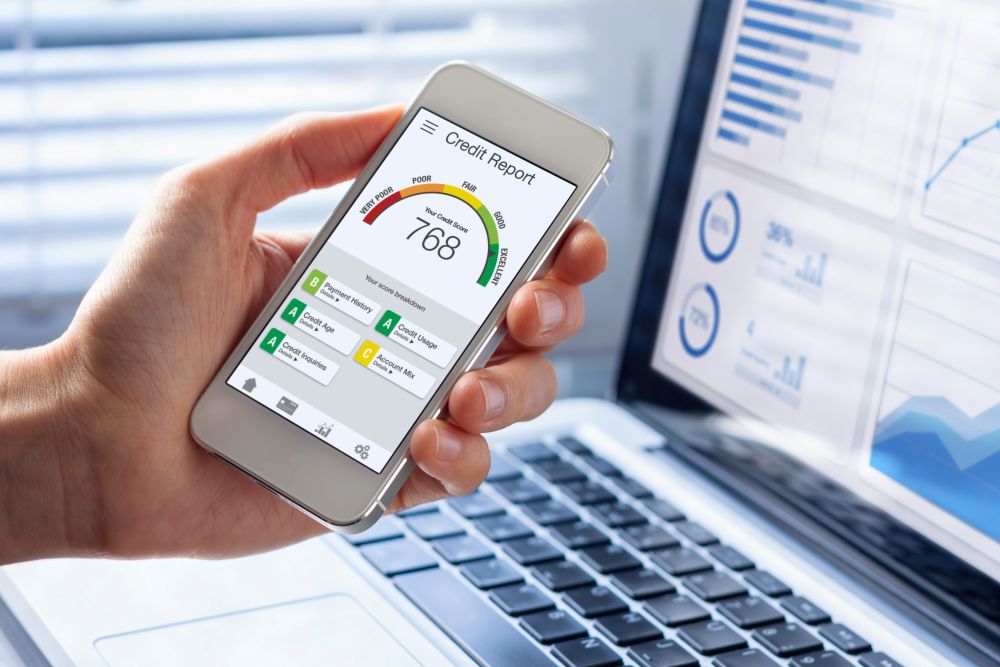
Protecting your financial wellbeing starts with getting a pulse on where you stand. It’s important to regularly check in on your credit health, so you can ensure you’re ready to make big financial moves when the time comes.
We’ve put together a checklist to consider when evaluating your credit, so you can stay financially strong and can feel confident applying for a loan, opening a credit card account, or preparing for retirement.
Step 1: Review Your Credit Report
Your credit report and credit score give a big picture overview of where you stand financially. You can check your FICO score for free through Digital Banking and can evaluate where you stand. Typically credit scores fall into the following ranges:
Poor credit: Below 580
Fair credit: 580 to 669
Good credit: 670 to 739
Very good credit: 740 to 799
Excellent credit: 800 and higher
If you want a full credit report, you can access it once a year for free from annualcreditreport.com. Your credit report will show you an overview of your existing loan accounts (including mortgages, auto loans, personal loans, and credit cards), as well as your balances, credit utilization, and payment history.
A couple of things to look for when accessing your credit report include:
- Whether you see any unfamiliar accounts. This could indicate fraudulent activity.
- Whether you see any unfamiliar credit inquiries. You may have “soft” credit inquiries from institutions who have offered you credit - like a letter that says “You’re preapproved for XYZ credit card.” These inquiries should not affect your credit. However, if you see inquiries you don’t recognize, you may want to reach out to your financial institution or to the credit bureau for more information.
If you see concerns on your credit report, handle them as quickly as possible, so you don’t face the risk of a long-term impact on your credit.
Step 2: Check Your Payment History
Your payment history is the single biggest factor in your credit score. Making consistent, on-time payments shows creditors that you’re committed to managing your money properly and to standing by your obligations.
Even small issues can have a large-scale impact on your credit. For example, one young man shared a story about moving during college and not realizing he still owed a small (less than $100 balance) from a medical charge. Because the company was unable to contact him, the unpaid charge affected his credit, which then negatively impacted his ability to get the best rate on a home loan.
If this is an area of improvement for you, it’s a simple and easy way to improve your credit health. You can set up recurring payments through Digital Banking, or can schedule Bill Pay to ensure your payments process in a timely manner.
Step 3: Evaluate Your Credit Utilization
Credit utilization is the amount of credit you're using divided by the total amount of revolving credit (credit cards, lines of credit, etc.) you have available. Generally speaking, you want to keep this ratio low; many experts recommend keeping it below 30 percent.
A low utilization rate indicates to creditors that you have access to credit and that you’re able to manage it properly, making payments and not maxing out the amount of credit currently available to you.
Step 4: Prepare for Security Risks
Fraud and identity theft are more prevalent than ever, and they are using increasingly sophisticated techniques to access information.
Undoing the work of a fraudster isn’t easy and can take a lot of extra time, money, and energy to unravel. Adding a service like ID Watchdog to your account can make sense, because it provides identity monitoring services as well as offering support and financial coverage if your accounts or identity are compromised.
Common sense habits can also help to mitigate the risk of fraud. For example, you can:
- Log in regularly to Digital Banking to check your accounts and transactions
- Ensure your contact information is up-to-date so we can reach you if we notice suspicious activity related to your accounts
- Use a strong password and multi-factor authentication to protect your accounts
- Set up Alerts to notify you of unusual transactions, login attempts, and other issues that might indicate potential fraud
Reach out right away if you spot something suspicious. The sooner you report a fraud concern, the sooner we can help you handle the fallout.
A strong credit profile isn’t built in a day, but you can use these guidelines to make sure you’re building the kind of credit that will be ready when you are. And when you’re ready to take that next financial step, whether it’s buying your first car or moving into your dream home, Andrews Federal will be here to help you every step of the way.