


How to Use a Tax Refund to Jumpstart an Emergency Fund
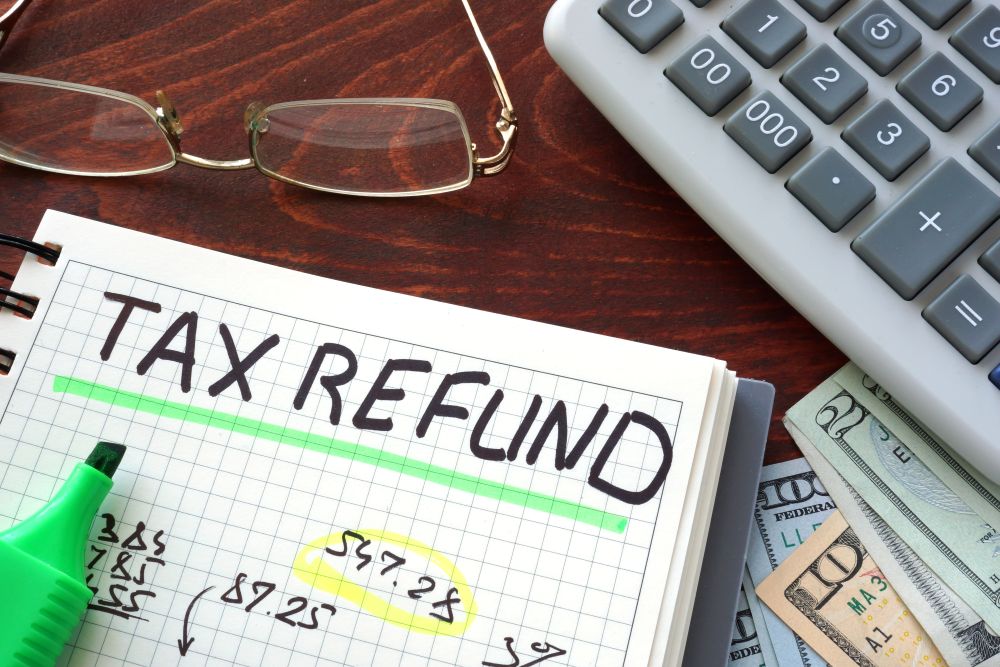
Two-thirds of Americans expect to receive a tax refund each year.
The question is - how can you best put that money to work for you?
It can be tempting to spend an unexpected windfall like a tax refund on a vacation or fun purchase. However, that unexpected lump sum could do more for you. By using your tax refund to start an emergency fund, you can create greater financial stability for you and your family
An emergency fund is a financial safety net. When you have funds set aside, you can use them to cover unexpected expenses like medical bills, car repairs, or temporary job loss without relying on loans or credit cards that will accrue interest.
While everyone can vouch for the value of an emergency fund, many Americans don’t have funds set aside for unexpected needs. For example, research reports show that nearly 60 percent of Americans would struggle to cover a $1,000 unexpected expense. That means many households feel on the verge of financial instability and that even a small issue like a new set of tires or a week without pay would push them over the edge.
Why an Emergency Fund Matters
While you may think, “That wouldn’t happen to me,” the truth is that unexpected costs happen to everyone. The majority of Americans experienced an unexpected expense last year and more than 40 percent of those impacted said they weren’t able to cover those expenses with cash from their accounts.
Having an emergency fund in place can cut down on the stress of those unexpected expenses and can prevent one financial issue from snowballing, like when you:
- Encounter an unexpected expense
- Need to borrow money to cover it
- End up paying high interest on a loan or credit card
- Create a deeper financial hole that’s harder to manage next time
When you have an emergency fund in place, it reduces financial stress and helps you ensure you stay on track to manage your finances and achieve your long-term goals.
How to Start Your Emergency Fund
Experts recommend building up an emergency fund with a goal of covering three to six months’ worth of expenses. This is where your tax refund comes in handy.
If you’re trying to save money from your regular monthly income, it may take a long time to accumulate what you need. The tax refund check can provide a big boost to your savings and get you started.
From there, you can set a goal regarding ongoing savings. While experts recommend trying to grow to six months worth of savings, you can start by setting these goals:
- $500 for basic emergencies
- $1,000 to cover common unexpected costs
- One month of essential expenses
From there, you can continue to build your funds. Make sure you’re putting them into a dividend-earning account, so they can continue to grow and work for you behind-the-scenes.
Other steps you can take to increase growth include:
- Setting up automatic transfers. When you move money automatically to your emergency savings, you’ll forget all about the transfers. You’ll become accustomed to having that money transition without your knowledge.
- Saving small amounts consistently. When you come across “extra” money, decide whether you need to use it right away or whether you can stash it away. That can mean anything from loose change to an unexpected birthday check. When you didn’t know it was coming, it’s easier to save it.
- Using bonuses or side income. Turn extra time into extra money by taking on side gigs, then dedicating those extra dollars to your emergency fund.
- Cutting one expense and redirecting that money. If you cancel a subscription here or there, you might save a bit. Instead of using that money for an extra lunch out or treat, divert it to your emergency fund. Just a single $10 subscription cancellation can turn into $120 of emergency funds over the course of a year.
When Emergency Does Strike
Using your emergency fund isn’t failure. It’s there to support you and give you a safety net when you need it most. Determine which expenses merit dipping into your emergency fund. For example, a vacation is not an emergency expense - but dealing with a flat tire is.
When you do dip into your funds, just make a plan on how you’ll rebuild them. That may mean adjusting your budget until you feel comfortable again with the amount of money you you have in your emergency fund.
Consistency is Key
Building up your emergency fund takes time. It’s not done in a day, but you’ll be successful if you build it with consistency and effort. The tax refund check is a powerful starting point because it can infuse a larger-than-normal amount of money into your emergency fund in a short period of time.
From that jumping-off point, consistency will make your emergency savings grow. Keep adding to your accounts and saving, and you’ll see that the bottom line continues to grow over time. Simple tools like our Kasasa Saver account can also help - your extra earnings transition to savings each month without any additional effort!