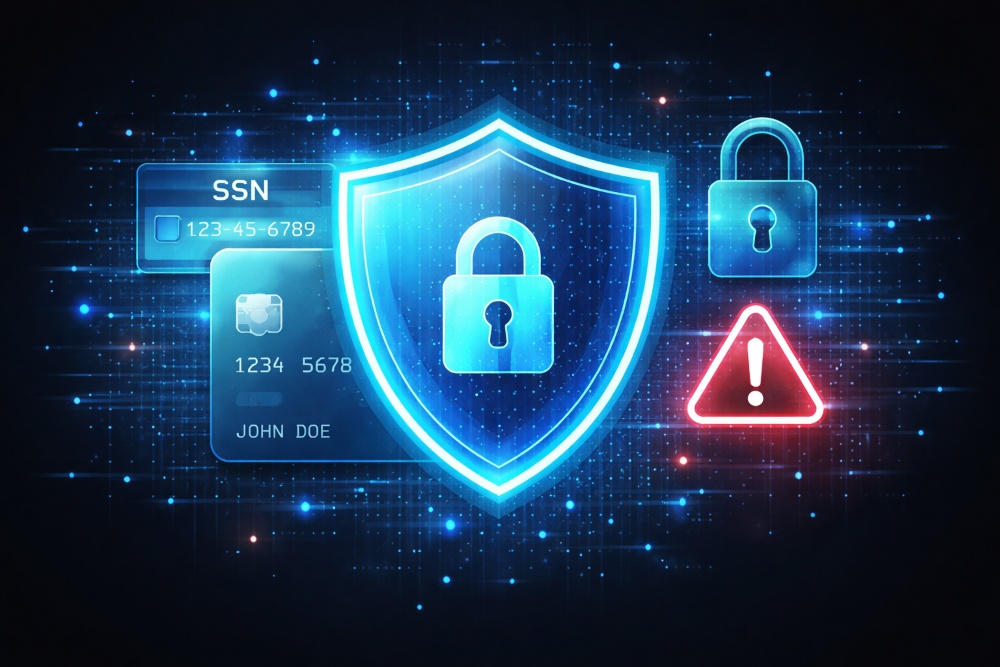


What Cybercriminals Don't Want You To Know

During the first half of 2019, 23 million credit cards were stolen worldwide, according to cyber threat intelligence company Sixgill. Nearly two out of every three stolen cards, more than 15 million, were issued in the U.S.
With e-commerce on the rise, payment fraud is here to stay. Once a fraudster gets ahold of your credit or debit card number, here's what the predator will do next:
Start small
A cybercriminal will attempt to charge a very minimal dollar amount to a stolen card number. The purpose of this is to confirm that the stolen card is active. The good news is, advanced predictive technology is now able to capture these microtransactions and report them as suspicious. Fraud scoring models can read algorithms with various transaction elements, including merchants, time of day, location, etc. Rest assured, your financial institution will likely contact you if a fraudulent transaction is charged to your card.
Go big or go home
The bad news is, cybercriminals may attempt to make a large purchase on the first shot in an attempt to get around those fraud scoring models. Fraudsters are increasingly bypassing small transactions and capitalizing on big-purchase items. It's much easier for them to do this if they also have your billing zip code and the security code on the back of your credit card.
Wipe their hands
Some fraudsters will hand over your credit card number to other cybercriminals. In the U.S., they will sell stolen credit card numbers over the internet for $5 to $100. The more information (address, date of birth, mother's maiden name), the fraudster has, the more valuable your credit card information is.
Safeguard your information
Consider freezing your credit report if you want to protect your sensitive information from these types of fraud. To freeze your credit, you need to contact the three major credit bureaus, Equifax, Experian, and TransUnion, separately. Keep in mind that you will need to unfreeze your credit if you plan to apply for any credit products in the future, such as a personal loan, credit card, or mortgage.
Never store your credit card number on the internet, unless you want it to be stolen.